Knowledge
Custom Watches with Your Logo: Private Label Services Explained
Writer:admin Time:2025-08-06 16:21 Browse:℃
Private label watches provide a strategic opportunity for entrepreneurs, brands, and retailers to offer custom-branded timepieces without owning a factory. By leveraging private label services, businesses can create watches with their logo, unique designs, and tailored packaging, while outsourcing production to experienced OEM manufacturers in Guangzhou.
This guide explains how custom watch manufacturing works, step-by-step, highlighting the practical aspects of private label services, quality control, cost management, and scaling. It is written in natural, Google EEAT-friendly language and based on real-world sourcing practices.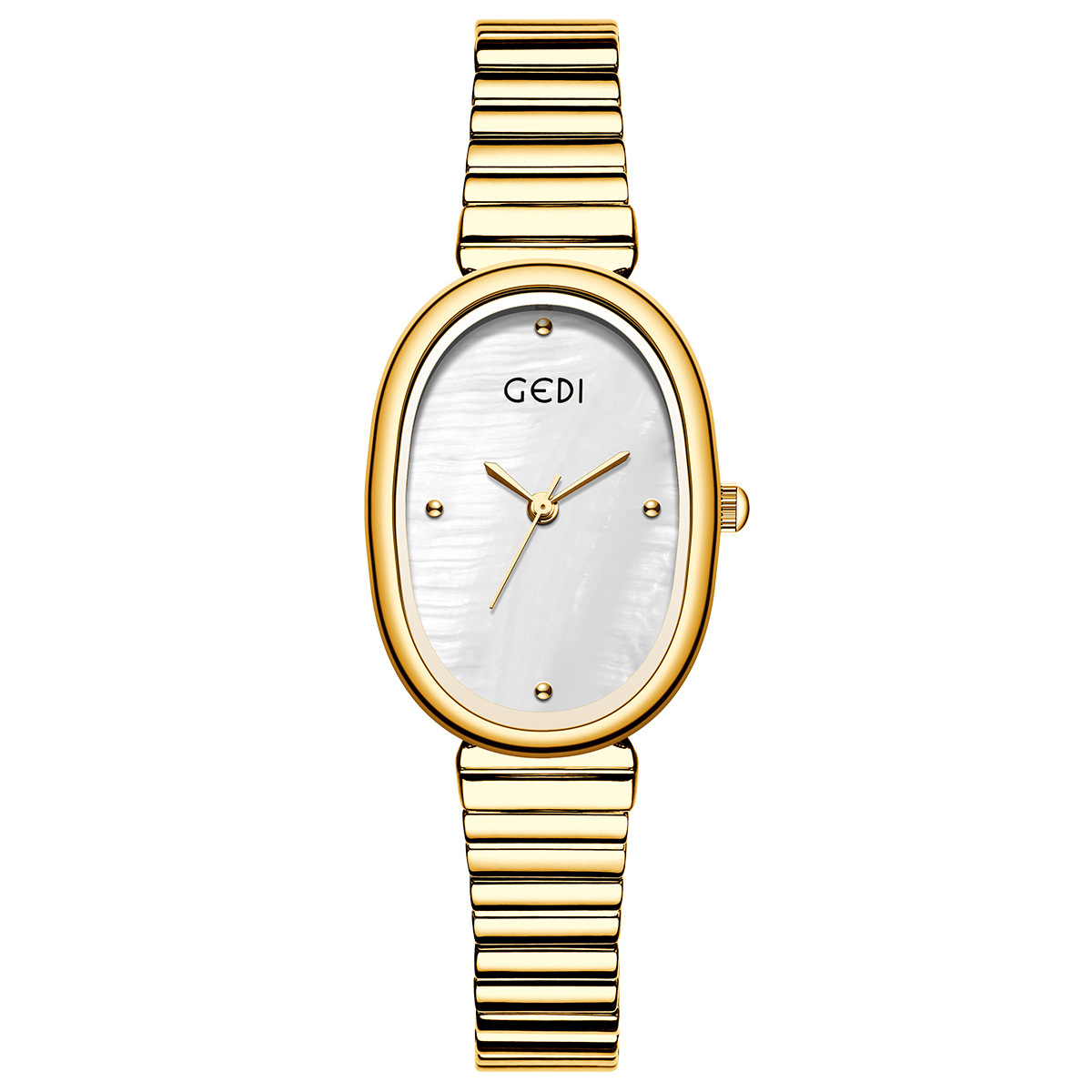
Step 1: Understanding Private Label Watches
Private label watches allow a business to brand a pre-existing or custom-designed watch with its logo and branding elements. Unlike generic wholesale watches, private label products reflect your brand identity and can be differentiated in the market.
Key benefits include:
Unique branding on dials, straps, crowns, and packaging
Flexibility in materials, colors, and design features
Ability to launch a product line without building a factory
Access to experienced OEM manufacturers with established processes
Table 1: Private Label vs Standard Watches
| Feature | Private Label | Standard Wholesale |
|---|---|---|
| Branding | Full logo and identity | Often unbranded |
| Customization | High | Limited |
| MOQ | Medium to high | Low |
| Pricing | Variable | Fixed |
| Quality Control | Structured | Varies |
Private label is a powerful tool for brand differentiation and market positioning.
Step 2: Selecting the Right OEM Manufacturer
Choosing the right OEM partner is essential for private label success. Key considerations include:
Experience with custom designs and branding
Capacity to handle your order volume
Quality assurance protocols
Communication clarity and responsiveness
Suppliers like https://guangzhouwatch.com/ offer structured private label services that simplify the process of launching custom-branded watches.
Table 2: OEM Selection Criteria
| Criteria | What to Look For |
|---|---|
| Experience | History with private label and custom designs |
| QC Standards | Pre-production, in-process, final inspection |
| Flexibility | Ability to adjust designs, materials, and packaging |
| Communication | Clear and documented process |
| Lead Time | Realistic timelines for prototyping and production |
A strong partnership reduces risk and ensures your brand vision is realized accurately.
Step 3: Design and Logo Integration
Designing a private label watch involves translating your brand identity into physical elements. Considerations include:
Case shape, size, and finish
Dial design and color schemes
Hands, indices, and markers
Strap material, color, and texture
Logo placement on dial, crown, and caseback
Packaging design
Table 3: Logo Integration Checklist
| Component | Customization Options |
|---|---|
| Dial | Printed, engraved, or applied logo |
| Crown | Engraving or embossed logo |
| Strap | Logo embossing or buckle engraving |
| Caseback | Engraving or laser marking |
| Packaging | Custom boxes, inserts, manuals, and warranty cards |
Effective design ensures the product communicates brand identity and premium quality.
Step 4: Production Workflow
After design approval, production begins. Typical steps include:
Material procurement (cases, dials, movements, straps)
Component inspection for quality and consistency
Assembly with attention to alignment and function
Functional testing for timekeeping, water resistance, and durability
Final inspection and packaging with custom branding
Table 4: Production Stages and QC Checks
| Stage | Key Checks |
|---|---|
| Material Procurement | Authenticity and quality of all components |
| Component Inspection | Dimensions, finish, movement accuracy |
| Assembly | Alignment, hand placement, strap fit |
| Functional Testing | Accuracy, water resistance, durability |
| Final Inspection | Cosmetic consistency, branding, packaging integrity |
Following a structured workflow ensures that the finished watches meet your brand’s quality standards.
Step 5: Cost Management
Managing costs effectively is critical for profitability. Consider:
Component costs (cases, dials, movements, straps)
Labor and assembly costs
Tooling and prototyping fees
Packaging and branding expenses
Shipping and compliance costs
Transparent suppliers provide detailed cost breakdowns and help identify areas where economies of scale can reduce unit costs.
Table 5: Cost Management Checklist
| Cost Area | Strategy |
|---|---|
| Components | Bulk ordering and standardized specs |
| Labor | Efficient assembly planning and QC integration |
| Tooling | One-time investment amortized over production runs |
| Packaging | Standardized yet branded materials for scale |
| Logistics | Consolidated shipments, customs preparation |
Well-managed costs ensure profitability without compromising quality.
Step 6: Scaling Your Private Label Watch Business
Once the first batch is successful, scaling involves:
Increasing order volumes for economies of scale
Expanding product variations, colors, and collections
Entering new markets and channels
Strengthening supplier relationships for priority production
Long-term partnerships with reliable OEM manufacturers allow consistent quality and faster response to market demand.
Step 7: Post-Production Support and Brand Growth
Successful private label watches require ongoing support:
Warranty management and after-sales support
Continuous quality monitoring of new batches
Feedback-driven improvements for future collections
Manufacturers like https://guangzhouwatch.com/ often provide post-production support, ensuring long-term brand reputation and customer satisfaction.
Conclusion
Private label watches allow brands to create custom products with their logo, building market differentiation and brand recognition without owning a factory. By selecting the right OEM manufacturer, integrating design and branding thoughtfully, implementing structured QC, managing costs, and scaling strategically, businesses can establish a sustainable watch line.
Guangzhou-based manufacturers such as https://guangzhouwatch.com/ offer the expertise, infrastructure, and private label services necessary for global brands to grow confidently and efficiently.
CATEGORIES
LATEST NEWS
CONTACT US
Whatsapp: +8618998453346
Wechat: +8618998453346
Telphone: +8618998453346
Email: [email protected]
Addr: Baiyun District, GuangZhou , Guangdong Province, China