Knowledge
Private Label Watches: A Step-by-Step Guide for New Entrepreneurs
Writer:admin Time:2025-08-06 16:20 Browse:℃
Starting a watch brand used to be reserved for companies with deep pockets, technical expertise, and long-standing industry connections. Today, private label manufacturing has changed that reality. Entrepreneurs around the world are launching watch brands with small teams, limited capital, and clear positioning—often by partnering with experienced OEM manufacturers in China.
Private label watches allow you to sell products under your own brand name without owning a factory or manufacturing equipment. Instead, you work with an OEM partner that produces watches based on your specifications while you focus on branding, marketing, and sales. This model has proven effective for online brands, distributors, lifestyle retailers, and even influencers entering the watch market.
This guide walks you through the entire process step by step, based on how real private label watch businesses operate in practice. It focuses on decision-making, common pitfalls, and long-term sustainability rather than theory.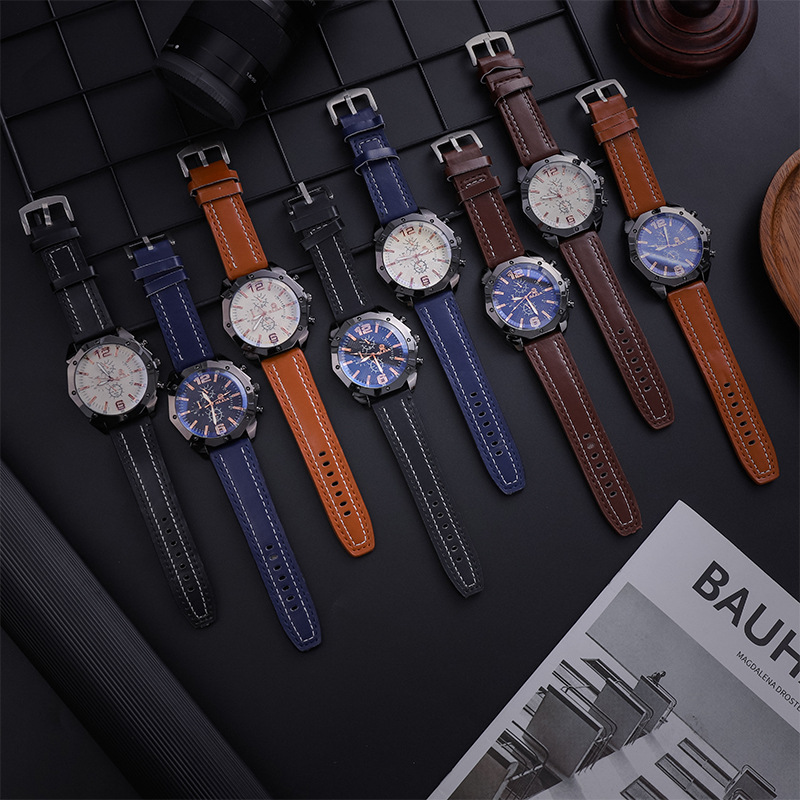
Step 1: Understand What Private Label Really Means in Watches
In the watch industry, private label manufacturing goes beyond simply adding a logo to an existing product. A proper private label watch involves multiple layers of customization, even at entry-level price points.
Typical private label elements include:
Brand name and logo on dial, case back, crown, or buckle
Custom dial layout, markers, and color palette
Case size, shape, and finish selection
Strap or bracelet choice
Branded packaging and documentation
The degree of customization directly affects cost, MOQ, and lead time. New entrepreneurs benefit from understanding these trade-offs early, so expectations align with manufacturing reality.
Step 2: Define Your Brand Position Before Contacting Factories
One of the most common mistakes first-time founders make is approaching factories without a clear brand concept. Manufacturers can produce watches, but they cannot define your market position for you.
Before reaching out to OEM suppliers, clarify:
Target customer profile
Retail price range
Style direction (fashion, sport, minimalist, classic)
Sales channels (online direct-to-consumer, wholesale, distributors)
This clarity helps factories recommend suitable materials, movements, and production methods.
Table 1: Brand Positioning and Manufacturing Impact
| Brand Decision | Manufacturing Impact |
|---|---|
| Target price | Determines movement and materials |
| Watch style | Affects case and dial complexity |
| Sales channel | Influences MOQ and packaging |
| Market region | Impacts compliance requirements |
Strong positioning reduces costly revisions later.
Step 3: Choosing the Right OEM Watch Manufacturer
Selecting the right manufacturing partner is the most critical step in private label watch production. Not all factories are suitable for new entrepreneurs.
Guangzhou has become one of the most popular sourcing regions due to its dense watch manufacturing ecosystem and export experience. Many entrepreneurs begin their search through industry-focused platforms and factory directories such as https://guangzhouwatch.com/, which connect buyers with OEM watch manufacturers familiar with private label projects.
When evaluating factories, look beyond price. Focus on communication quality, sample consistency, and willingness to support smaller brands.
Table 2: OEM Factory Evaluation Checklist
| Evaluation Area | What to Look For |
|---|---|
| Experience | Proven OEM export history |
| Samples | Clean finishing, consistency |
| Communication | Clear, timely responses |
| Flexibility | Reasonable MOQ for startups |
A reliable partner saves time, money, and frustration.
Step 4: Designing Your First Private Label Watch
Design does not require formal horology training. Most OEM factories offer design assistance, including CAD drawings and prototype samples.
Key design decisions include:
Case material (stainless steel, alloy, titanium)
Movement type (quartz or mechanical)
Dial layout and finishing
Strap material and clasp style
Factories often guide entrepreneurs toward proven configurations that balance cost and reliability.
Table 3: Common Movement Options for New Brands
| Movement Type | Cost Level | Reliability | Best Use Case |
|---|---|---|---|
| Chinese quartz | Low | High | Entry-level watches |
| Japanese quartz | Medium | Very high | Mid-range brands |
| Automatic mechanical | Medium–High | High | Premium positioning |
Movement choice is one of the most important cost and positioning decisions.
Step 5: Sampling and Product Validation
Sampling is where your concept becomes a physical product. Never skip or rush this stage.
When reviewing samples, pay close attention to:
Dial printing accuracy
Logo placement and alignment
Case finishing and edges
Strap comfort and durability
Overall feel and weight
Request revisions if needed. Professional factories expect multiple sample rounds before mass production.
Table 4: Sample Review Checklist
| Area | What to Check |
|---|---|
| Appearance | Color accuracy, finishing |
| Function | Timekeeping, crown action |
| Branding | Logo clarity and placement |
| Packaging | Brand consistency |
A well-approved sample becomes your quality benchmark.
Step 6: Understanding MOQ, Costs, and Budget Planning
Minimum order quantity and pricing are closely linked. Lower MOQs usually come with higher unit costs, while larger orders reduce per-unit pricing.
Common cost components include:
Watch unit cost
Tooling or mold fees
Packaging and branding
Shipping and import duties
Table 5: Typical Private Label Cost Structure
| Cost Component | Description |
|---|---|
| Unit production | Depends on specs and volume |
| Tooling | Often one-time cost |
| Packaging | Box, manual, warranty card |
| Logistics | Freight and customs |
Transparent budgeting prevents cash flow issues during launch.
Step 7: Quality Control and Risk Management
Quality issues damage young brands more than established ones. Implementing basic quality control practices is essential.
Many OEM factories conduct internal inspections, but entrepreneurs should also:
Approve pre-production samples
Request production photos or videos
Use third-party inspections when volumes grow
Clear documentation and expectations significantly reduce quality risks.
Step 8: Branding, Packaging, and Market Readiness
A private label watch competes on perception as much as function. Packaging, brand story, and presentation matter.
Even simple packaging can look premium when it aligns with your brand identity. Consistency across product, packaging, and marketing builds trust with customers.
Step 9: Launch Strategy and Early Feedback
Launching your first private label watch is both exciting and uncertain. Start with controlled volumes and gather real customer feedback.
Early feedback helps you:
Refine designs
Adjust pricing
Improve packaging
Plan your next production run
Private label success often comes from iteration, not perfection on the first release.
Step 10: Scaling Your Private Label Watch Business
Once demand is validated, scaling becomes a matter of process rather than reinvention. Established OEM partners can support higher volumes, new models, and faster lead times.
Long-term relationships with manufacturers often lead to better pricing, priority production slots, and deeper collaboration.
Common Mistakes New Entrepreneurs Should Avoid
New founders often underestimate timelines, over-customize early products, or choose factories based solely on price. Avoiding these mistakes improves survival and growth rates.
Private label watch brands that succeed tre
CATEGORIES
LATEST NEWS
CONTACT US
Whatsapp: +8618998453346
Wechat: +8618998453346
Telphone: +8618998453346
Email: [email protected]
Addr: Baiyun District, GuangZhou , Guangdong Province, China