Knowledge
What to Look for in a Reliable Watch Supplier from China
Writer:admin Time:2025-08-06 16:20 Browse:℃
Choosing a reliable watch supplier from China is one of the most important decisions a brand owner, distributor, or startup entrepreneur will ever make. The supplier you choose will influence not only product quality and cost, but also delivery reliability, brand reputation, and your ability to scale sustainably. In the global watch industry, where margins are often tight and competition is intense, supplier reliability is not a “nice to have”—it is a survival factor.
China has been the world’s most important watch manufacturing base for decades. From entry-level quartz watches to complex mechanical timepieces, a large percentage of global production flows through Chinese factories. Yet the same market that offers unmatched flexibility and cost efficiency also carries real risks: inconsistent quality, unclear communication, hidden intermediaries, and factories that disappear after one order.
This guide is written for buyers who want clarity, not sales talk. It is based on real sourcing practices, common mistakes, and proven evaluation methods used by experienced importers. Whether you are launching your first private label watch or managing a mature distribution business, the principles below will help you separate reliable long-term partners from short-term suppliers.
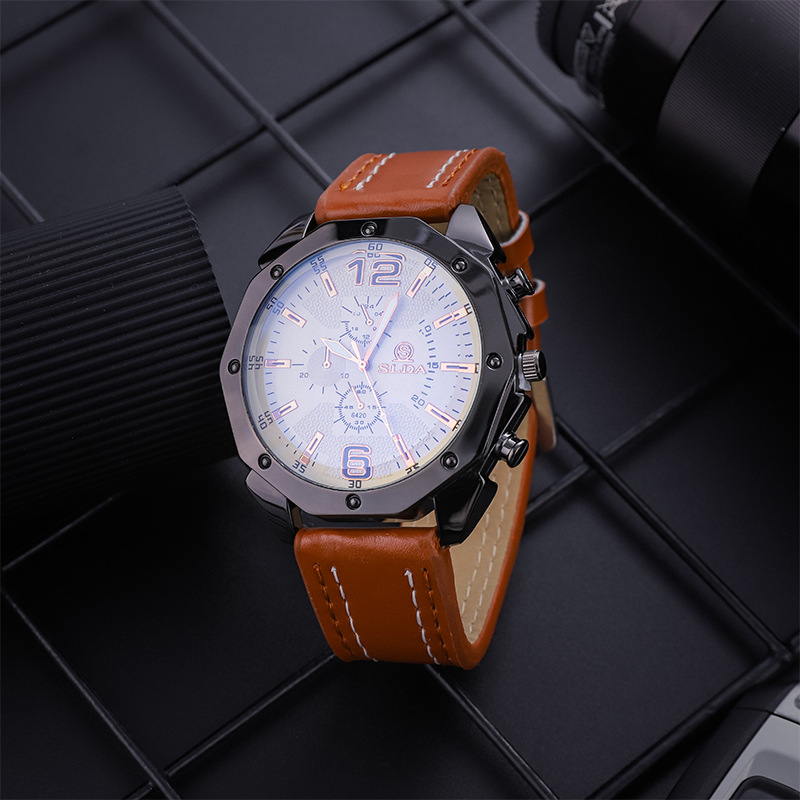
Understanding the Chinese Watch Supply Landscape
Before evaluating individual suppliers, it is essential to understand how the Chinese watch industry is structured. Not every company that claims to be a “manufacturer” actually owns a factory, and not every factory is suitable for every buyer.
China’s watch supply chain is highly specialized. In major hubs such as Guangzhou and Shenzhen, different factories focus on specific components: cases, dials, hands, straps, and assembly. Many so-called “factories” are in reality assemblers who coordinate these components. This model is not inherently bad, but it requires strong process control to ensure consistency.
Table 1: Common Types of Watch Suppliers in China
| Supplier Type | Main Role | Advantages | Risks |
|---|---|---|---|
| Trading Company | Sourcing & coordination | Easy communication, low MOQ | Limited control, higher cost |
| Assembly Factory | Final assembly | Flexible customization | Depends on component suppliers |
| Integrated Factory | In-house production | Better consistency, QC control | Higher MOQ, less flexible |
| OEM Integrator | Full project management | One-stop solution | Quality depends on management |
Understanding which type of supplier you are dealing with is the first step in evaluating reliability.
Clear Factory Identity and Transparency
A reliable watch supplier is transparent about who they are and how they operate. This may sound basic, but many sourcing problems start with unclear identities.
Reliable suppliers can clearly explain:
Whether they own a factory or outsource production
Where assembly takes place
Which components are produced in-house
What quality standards they follow
Red flags include vague answers, reluctance to share factory photos or videos, and inconsistent explanations from different sales representatives.
A professional supplier will not hesitate to explain their role in the supply chain because transparency builds trust and reduces misunderstandings later.
Proven Experience in Your Target Market
Experience matters, but only when it is relevant. A supplier who has produced millions of low-cost promotional watches may not be suitable for a mid-range fashion brand or a mechanical watch startup.
Ask suppliers about:
Their main export markets
Typical order volumes
Average unit price range
Experience with your compliance requirements
Table 2: Matching Supplier Experience to Buyer Type
| Buyer Type | Ideal Supplier Experience |
|---|---|
| Startup Brand | Low MOQ, prototyping experience |
| Online Retailer | Fast lead times, stable QC |
| Distributor | Consistent batches, documentation |
| Premium Brand | Material traceability, precision QC |
Choosing a supplier whose core business aligns with your goals significantly reduces risk.
Communication Quality and Responsiveness
Reliable suppliers communicate clearly, consistently, and professionally. This is not just about language skills; it is about mindset.
Good communication includes:
Clear written quotations
Confirmed specifications in documents
Timely responses
Willingness to explain technical details
Poor communication during the inquiry stage almost always becomes worse after payment. If a supplier is slow, vague, or evasive early on, consider it a warning sign.
Structured Quotation and Cost Transparency
One of the biggest mistakes buyers make is choosing a supplier based on the lowest unit price. A reliable supplier offers transparent cost structures rather than artificially low quotes.
Table 3: Typical Watch Cost Components
| Cost Element | Description |
|---|---|
| Movement | Quartz or mechanical origin |
| Case | Material, finishing, machining |
| Dial & Hands | Customization level |
| Strap | Leather, steel, rubber |
| Assembly & QC | Labor and testing |
A professional supplier can explain how changes in materials, finishes, or order volume affect cost.
Sampling Process and Development Capability
Sampling is where reliability becomes visible. A good supplier treats sampling as a serious development phase, not a formality.
Evaluate:
Accuracy of samples vs specifications
Speed of revisions
Willingness to correct mistakes
Suppliers who rush samples without proper checks often deliver inconsistent bulk orders.
Quality Control Systems and Standards
Quality control should be systematic, not reactive. Ask about:
Incoming material inspection
In-process checks
Final inspection standards
Testing procedures
Table 4: Common QC Checks for Watches
| QC Stage | Check Items |
|---|---|
| Incoming | Movement authenticity, material |
| Assembly | Alignment, torque, sealing |
| Final | Time accuracy, appearance |
| Packing | Labeling, protection |
Reliable suppliers welcome QC discussions because they understand that quality protects both parties.
Certifications and Compliance Awareness
Depending on your market, compliance may include CE, RoHS, or country-specific regulations. A reliable supplier understands these requirements and can support documentation.
This does not mean every factory holds every certificate, but they should know what is required and how to obtain it when needed.
Order Management and Delivery Reliability
Consistency matters more than speed. Reliable suppliers provide realistic production timelines and meet them.
Table 5: Signs of Reliable vs Unreliable Order Management
| Aspect | Reliable Supplier | Unreliable Supplier |
|---|---|---|
| Lead Time | Realistic | Over-promised |
| Updates | Proactive | Reactive |
| Delays | Explained early | Explained late |
Predictable delivery builds long-term trust.
Long-Term Partnership Mindset
The best suppliers think beyond single orders. They care about repeat business, feedback, and gradual improvement.
This mindset is often visible in small details: documentation quality, willingness to suggest improvements, and openness to audits.
For buyers seeking stable OEM or private label partnerships, working with experienced Guangzhou-based manufacturers such as https://guangzhouwatch.com/ can provide a clearer structure, established processes, and better long-term coordination.
Final Thoughts
Finding a reliable watch supplier from China is not about luck. It is about structured evaluation, clear communication, and realistic expectations. By focusing on transparency, experience alignment, quality systems, and long-term mindset, buyers can significantly reduce sourcing risk.
A reliable supplier is not always the cheapest, fastest, or most flexible at the beginning. But over time, reliability becomes the most valuable competitive advantage a watch brand can have.
CATEGORIES
LATEST NEWS
CONTACT US
Whatsapp: +8618998453346
Wechat: +8618998453346
Telphone: +8618998453346
Email: [email protected]
Addr: Baiyun District, GuangZhou , Guangdong Province, China